
Introduction
The Southeast Asian Coral TriangleA Biodiversity Hotspot
Objectives
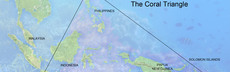
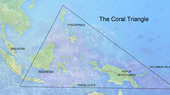
I. Take a close look at where the Southeast Asian Triangle is located
II. Understand some of the ways in which life underwater interacts with one another
III. Learn about ways humans negatively effect this ecosystem.
IV. Learn about ways humans take an interest in preserving their ecosystems.
II. Understand some of the ways in which life underwater interacts with one another
III. Learn about ways humans negatively effect this ecosystem.
IV. Learn about ways humans take an interest in preserving their ecosystems.
Location
Goto first pageOff The Shore
Off The Shore
Fullscreen
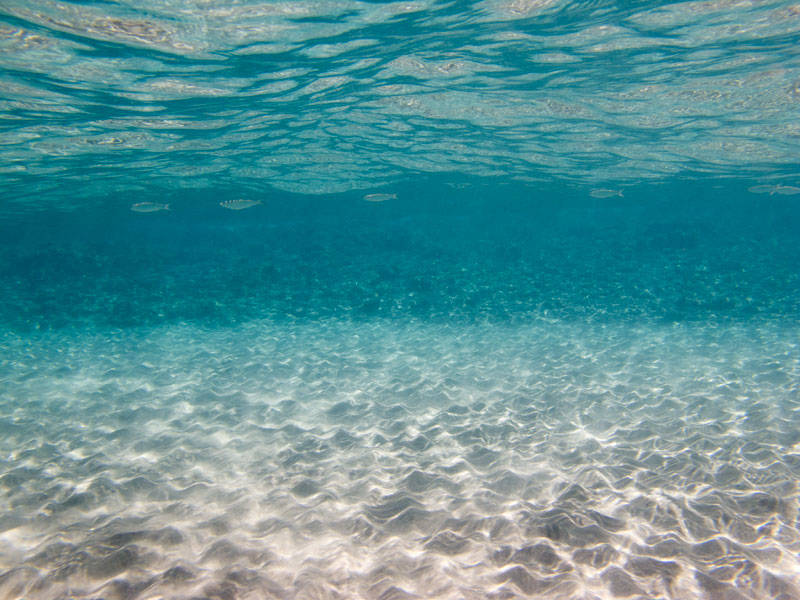
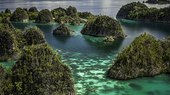
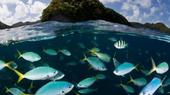
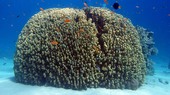
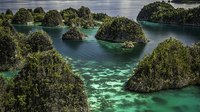
The Southeast Asian Coral Triangle is a diverse hotspot for millions of plant and animal life. We are going to begin looking at the contents of the Coral Triangle far off the shore and then we will head towards land to discuss the impact this environment has made on the subjects living above sea level.
Life Below Sea Level
What Lies Beneath...
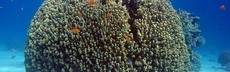
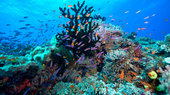
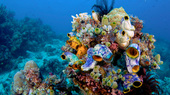
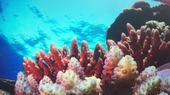
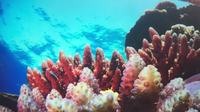
Coral Reefs are not only beautiful, they also house significant scientific details that structure the way underwater life functions.
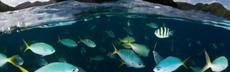
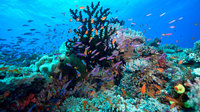
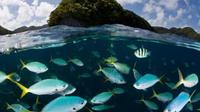
Although coral reefs only occupy 1/10th of 1% of the ocean floor, they are home to 1/4 of all known marine species.
You can consider the coral reefs to be a kind of apartment complex for marine life. The structures the coral build up naturally act as nesting areas, sleeping areas during the night, and can provide shelter for the marine life that hide from larger predators.
Each square foot of a coral reef is unique. This is because everything has a unique purpose!
Similar to life above sea level, there are many small components that work together to ensure the continuing growth of their community.
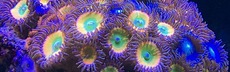
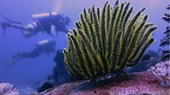
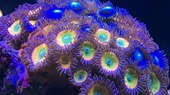
Even the smallest of functions serves a purpose. After all, the coral themselves are made up of small anemone-like animals called Polyphs. Polyphs can be microscopic in size. They have within their own tissues incredible cells that absorb nutrients during the day and provide the Polyphs with over half of their daily food needs. This in turn regenerates coral growth and extends the life and size of the coral reefs.
You cannot see the tissues of the polyphs absorb nutrients with the naked eye, but technology has allowed us to recreate and speed up the process so that we can see how the coral reefs stay alive...
Although coral reefs only occupy 1/10th of 1% of the ocean floor, they are home to 1/4 of all known marine species.
You can consider the coral reefs to be a kind of apartment complex for marine life. The structures the coral build up naturally act as nesting areas, sleeping areas during the night, and can provide shelter for the marine life that hide from larger predators.
Each square foot of a coral reef is unique. This is because everything has a unique purpose!
Similar to life above sea level, there are many small components that work together to ensure the continuing growth of their community.
Even the smallest of functions serves a purpose. After all, the coral themselves are made up of small anemone-like animals called Polyphs. Polyphs can be microscopic in size. They have within their own tissues incredible cells that absorb nutrients during the day and provide the Polyphs with over half of their daily food needs. This in turn regenerates coral growth and extends the life and size of the coral reefs.
You cannot see the tissues of the polyphs absorb nutrients with the naked eye, but technology has allowed us to recreate and speed up the process so that we can see how the coral reefs stay alive...
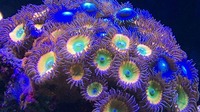
PolyphsWithin the polyphs are small cells that reach out to grab nutrients.
What Makes the Southeast Asian Coral Triangle Unique to Other Coral Reefs?
The Southeast Asian Coral Triangle is not just a landmark of beautiful sights to attract tourists. There are many livelihoods of species that depend on the coral triangle, including humans. Here are a few facts that make this coral reef unique:
-There are over 76% of the known types of coral living in the Coral Triangle.
-It encompasses 5.7 million unique square km of ocean.
- Provides 6 nations with over 3 billion USD in profits from the fish and seafood global market.
-There are over 76% of the known types of coral living in the Coral Triangle.
-It encompasses 5.7 million unique square km of ocean.
- Provides 6 nations with over 3 billion USD in profits from the fish and seafood global market.
Life Above Sea Level
Approaching Land
Approaching Land

Fullscreen
Now that we know a little more about what happens below sea level, we can look at the ways in which life above sea level is effected by being surrounded by such a bountiful, yet fragile ecosystem.
What is the CTI?
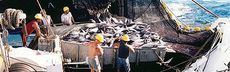
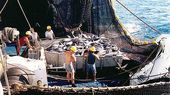
There is no arguing the devastation that human life has caused on coral reefs. This kind of ecosystem is very fragile and it takes long periods of time and generations of plant and animal lives to filter out toxins and other types of waste that find their way into a coral reef.
But there have been positive changes to government policies that wish to protect their environment.
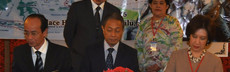
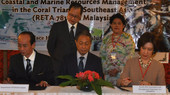
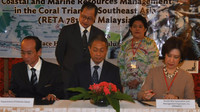
The Coral Triangle Initiative (CTI) was formed by six of the countries that share space within the coral triangle: Indonesia, Malaysia, the Philippines, Timor Leste, Papua New Guinea, and the Solomon Islands. These nations form what is known as the CT6, or Coral Triangle 6.
But there have been positive changes to government policies that wish to protect their environment.
The Coral Triangle Initiative (CTI) was formed by six of the countries that share space within the coral triangle: Indonesia, Malaysia, the Philippines, Timor Leste, Papua New Guinea, and the Solomon Islands. These nations form what is known as the CT6, or Coral Triangle 6.
Sources
SOURCES
Attenborough, David. Blue Planet II: Coral Reefs. Season 1, Ep. 2. 2017. Video.
Berdej, Samantha; Mark Andrachuk and Derek Armitage. Conservation Narratives and Their Implications in the Coral Triangle Initiative. Conservation & Society, Vol.13, No. 2. 2015. Pp. 212-220.
Williams, Meryl J.. Will New Multilateral Arrangements Help Southeast Asian States Solve Illegal Fishing?. Contemporary Southeast Asia, Vol. 35, No. 2. 2013. Pp. 258-283.
Berdej, Samantha; Mark Andrachuk and Derek Armitage. Conservation Narratives and Their Implications in the Coral Triangle Initiative. Conservation & Society, Vol.13, No. 2. 2015. Pp. 212-220.
Williams, Meryl J.. Will New Multilateral Arrangements Help Southeast Asian States Solve Illegal Fishing?. Contemporary Southeast Asia, Vol. 35, No. 2. 2013. Pp. 258-283.
Scroll down to continue
Swipe to continue
Swipe to continue


 The Southeast Asian Coral Triangle
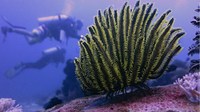 Objectives
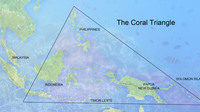 Where is it located?
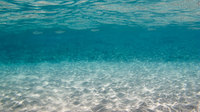 Off The Shore
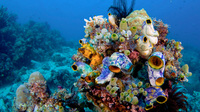 What Lies Beneath...
 Polyphs
 What Makes the Southeast Asian Coral Triangle Unique to Other Coral Reefs?
 What is the CTI?
 CTI Meeting
 Fishing and Hunting
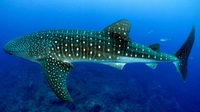 Sharks
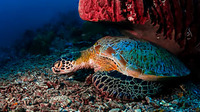 Sea Turtles
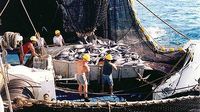 CTI Continued
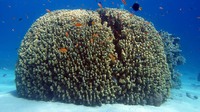 Upside.
 Coral Video
 SOURCES